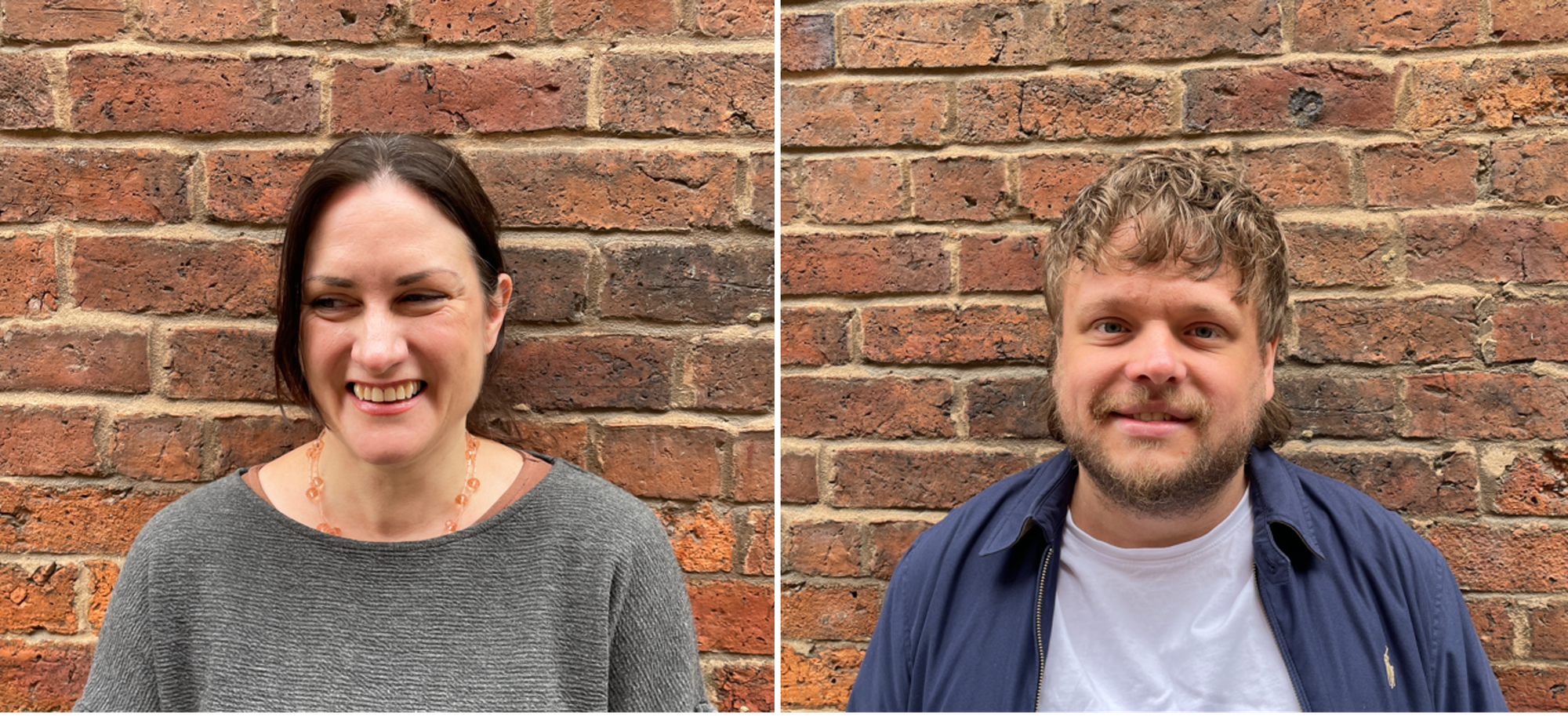

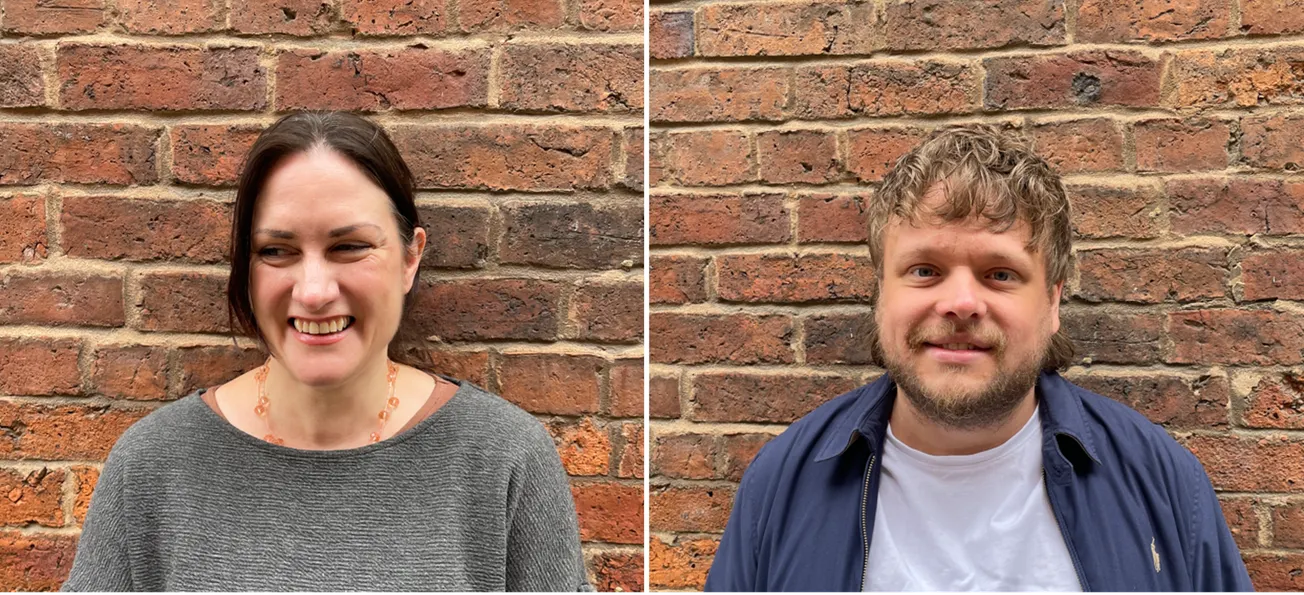
We've found two brilliant journalists to lead The Exchange forward. You'll be seeing lots of pieces from them, as well as our editor, Daniel Timms, and a small army of freelance contributors.
Brad Deas: “I’ve been working in local news for years — but now I want more time to go in-depth”
It was during the school summer holidays, which I would spend writing and drawing comics, that my parents began to wonder if I might end up in some sort of creative career. But it was only when I studied English and American Studies that I began to realise how words could change the world.
I’m now eight years into working at the Telegraph and Argus in Bradford. I grew up around here, in what I think is best known as the “Leeds-Bradford corridor”, one step between each district’s boundary. Life began in Calverley, before a hop over the border into Idle, where I spent most of my formative years. After three years at the University of Nottingham, my parents settled in Rawdon, where I joined them. Leeds then. Or so I thought, until it was time for me to fly the nest and I was renting with a mate back in Bradford. (I'm hoping to find a place to call my own alongside my partner in the next couple of months. Leeds? Bradford? I’ll keep you updated.)
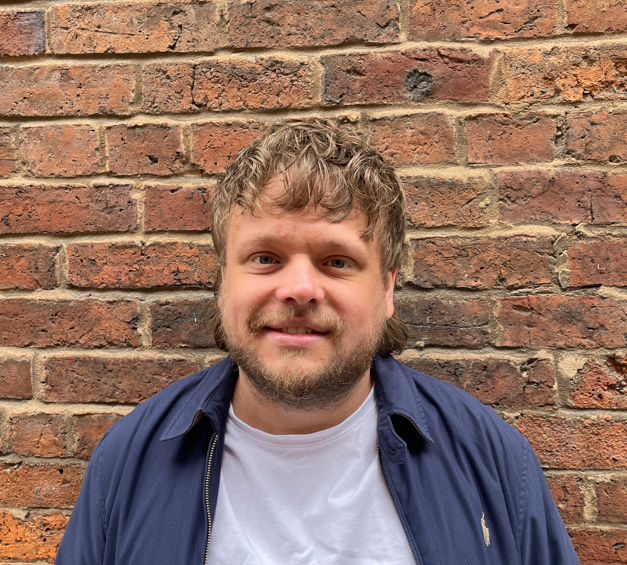
In that time, I’ve met an extraordinary range of characters and covered a lot of interesting stories. Highlights have included overturning an anonymity reporting restriction in a major murder trial, reporting on an independent school that was locked in a row with the Government over missing SATs papers, and exposing Hermes (now Evri) for the absolute state of its Bradford depot.
But one has stuck with me more than any other: the story of Dennis Goldsmith.
People often walk into our office with stories that “just have to be published”. Most walk out disappointed — they can’t back up their claims, or what they’re talking about really isn’t going to interest a wider audience. But when Dennis arrived I could see it was different. He was a polite but clearly agitated man who had had a bombshell dropped on his life: in his late 40s he had just discovered that he was adopted, thanks to a leak of confidential documents by Bradford council.
It took months of sifting through and analysing documents, and back and forth with the council to ensure the authenticity of what I’d been told. But sure enough, it really had happened. My reporting led to the local authority revealing the officer responsible for the leak had left the council, but the best part was seeing a semblance of happiness return to Dennis now he had been given a voice and was able to propose a law that every adoptee be told the truth when they turn 18-years-old.
Telling these stories, and holding the powers that be to account, is what makes me tick as a journalist. But often it feels like there’s not enough time to really dig into them, with the need to get out lots of stories every day. That’s what I love about the plans for The Exchange: fewer articles, but more in-depth, with a real focus on not just getting the facts, but on telling the stories well. I can’t wait to get started.
Until then, you’ll find me celebrating my beloved Leeds United avoiding relegation from the Premier League and eagerly anticipating my third year as a season ticket holder.
Mia Jankowicz: “After a revolution broke out in my home city, I knew I had to become a journalist”
When I was first working at a local paper, people often used to ask when I'd get a job at a national title, as though I was waiting to graduate in some way, or that I was a journalist in caterpillar form only. But covering the things that hit you literally on your doorstep is where people can see the impact proper news reporting makes. And that applies whether you're writing about bin collections and potholes, or chasing big scoops.
My writing used to focus on culture and art criticism, built off the back of a former career as a contemporary art curator. But after a revolution broke out in my then-home city of Cairo and the press poured in, I watched how the world’s biggest and most complicated story was being told. I knew I wanted to learn how to do news well, in a way that really got to the heart of how things are on the ground. And so, I bid farewell to Egypt and moved back home to retrain with the Welwyn Hatfield Times. There I covered everything from an unlawful data-gathering operation to battles over the fate of a beloved sports hall — and yes, lots of potholes and bin collections too.
Later, working for Business Insider, most of my work was on international news, where the biggest challenge was not being on the same turf as my sources. I investigated charismatic peddlers of Covid disinformation, the untimely death of a Ukrainian Fox News journalist, and an influencer selling a handbag made out of a human spine. I wrote features about tech CEOs, the escape of a dissident Russian security officer, and stranded sailors rotting on container ships abandoned by their owners.
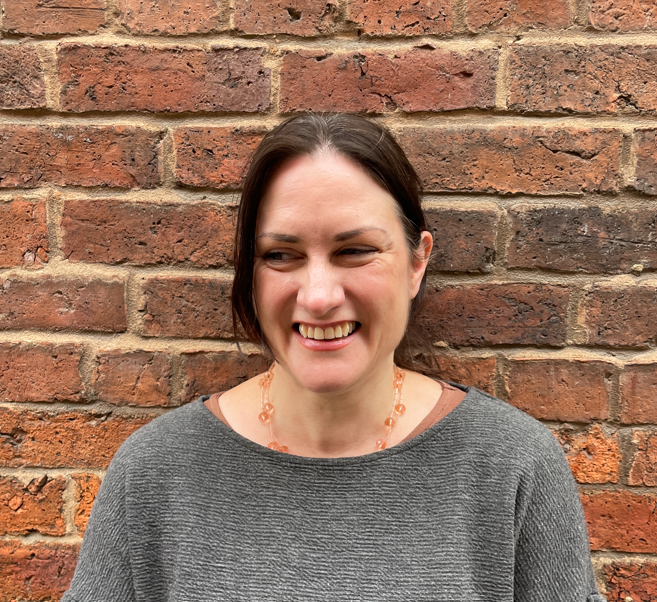
With the outbreak of the full-scale Ukraine war, my reporting became increasingly focused on defence and the human impact of war. But when I heard about plans to launch The Exchange, it really excited me as a chance to go back to local news, but in a totally new way. Local news across the country is struggling, but the model that Mill Media has rolled out elsewhere has shown that there’s space for a different approach.
I'm moving to Leeds asap, and there is going to be a lot to learn, so please get in touch with what I should point myself at first — I'm usually found running round a park, eating brunches I can't afford, or scouring the bric-a-brac section of a charity shop.