
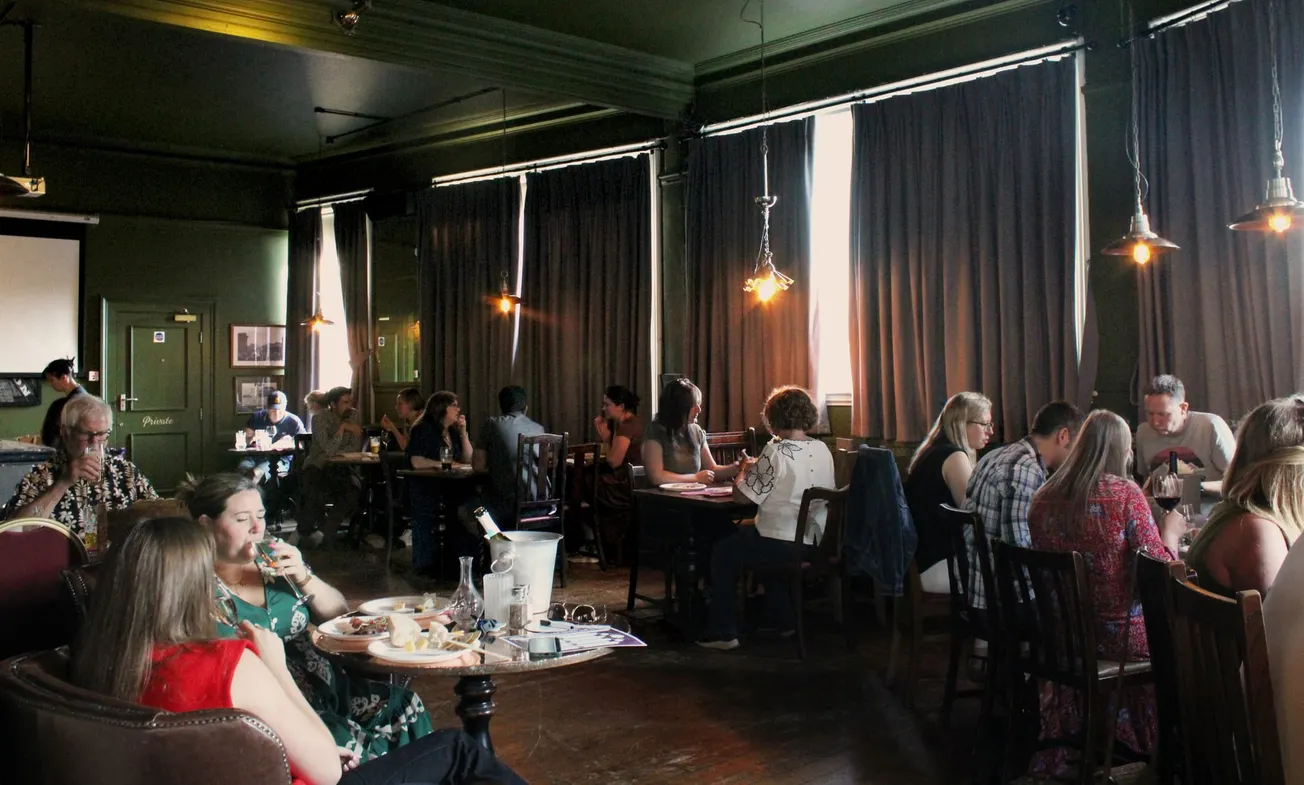
Hello readers — Mia, freshly transplanted in Leeds, has started to search for community there the way anyone would: by participating in a cheese-based World Cup. No footballs were kicked. Not even cheese footballs. But fromage from eight great cheesemaking nations was eaten, a mini community discovered, and most importantly of all, a team (read: a cheese) was voted world champion.
I can only apologise. You, dear reader, have likely shown an interest in The Exchange on the basis of our promise to provide an alternative to “clickbait headlines” in local news (marketing copy is being hastily deleted by lawyers as I type). And here I am, luring you in with a very clicky headline about the Cheese World Cup.
As far as I’m aware, no agency exists to oversee who gets to hand out cheese-based World Cups, a regulatory oversight into whose vacuum has swept Nick Copland, founder of cheese events company Homage2Fromage. His central purpose in life is to get cheese into the mouths of the people of Leeds, ideally on a monthly, fee-paying basis. A copywriter by day and a cheese man by night, Copland clearly prefers cheese. Copywriting “doesn't make me bounce out of bed in the morning going ‘yippee, I'm going to write a website about detergent,’” he says.
But cheese is different. “The thing I love about cheese is everything starts as a bucket of milk, and it depends on what you do with that milk as to what you get at the other end,” he says. That’s more than 4,000 types and counting. “There isn't another food that's anything like cheese,” he says.
I spot The Fromage World Cup listing when pulling together the Monday events section at The Exchange. The Fromage World Cup? That sounds suitably official and grand.
Leeds hadn’t struck me as the most obvious place to hand out such accolades. While I can see some fine artisans making cheese here, one does not yet reach for a “nice little bit of Leeds” with one’s crackers, as is the case with Wensleydale or Gouda or Roquefort.
But my doubts about the gravity of the occasion are supplanted by a force much larger. You see, I’ve only just moved to this great city and the sense of displacement is immense. I don’t really know anyone, and events like this, mediated by a substance I adore, strike me as good a means as any to connect to my new home. To put it in plain terms: I want some friends and I want some cheese and the Cheese World Cup might just be able to satisfy both desires.
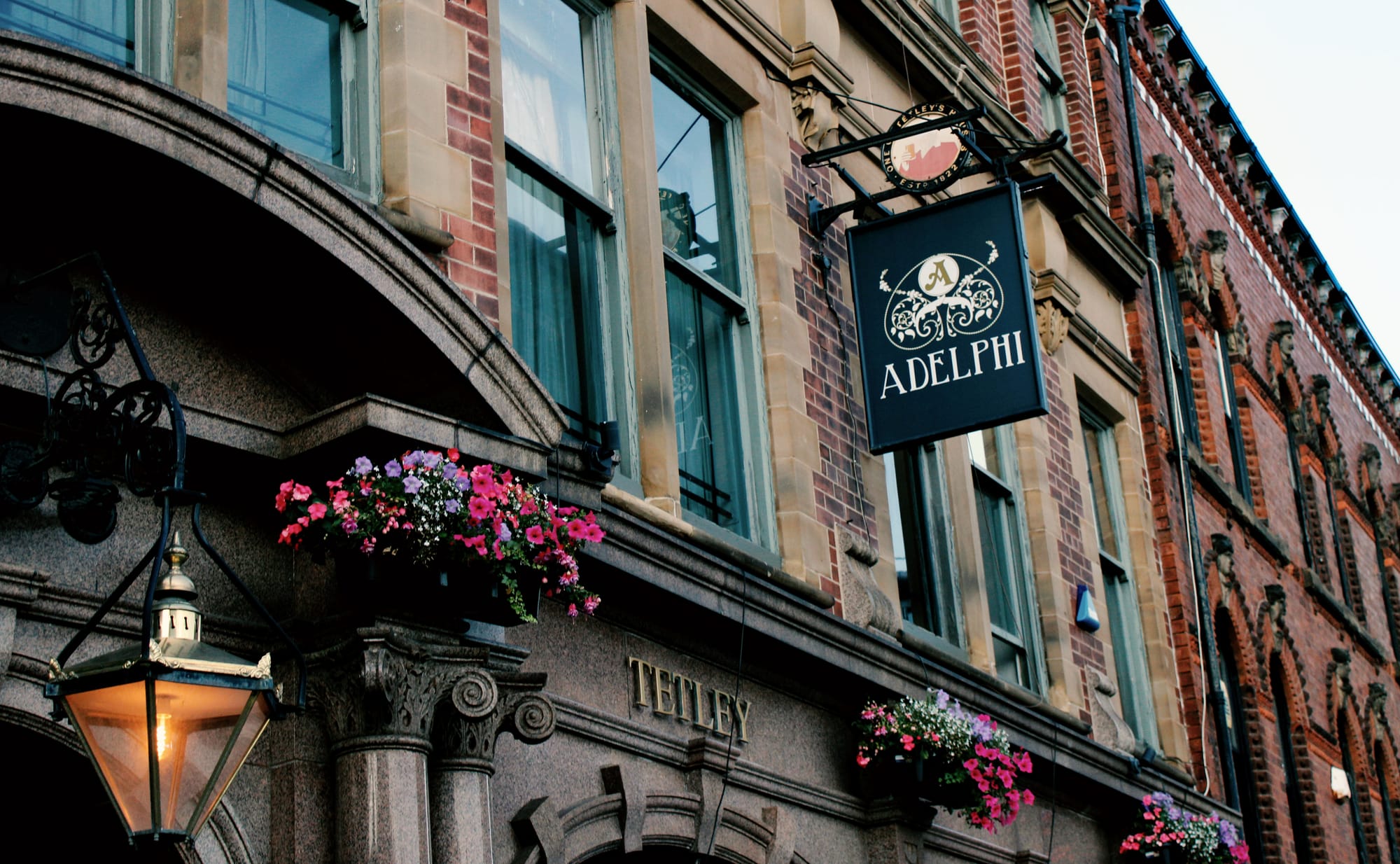
Stepping off the bus near the Adelphi pub — our stadium for the evening — I’m unsure exactly what sort of preparation I should have done. I’ve informally polled the group chat for football-based cheese puns, or cheese-based football puns: all I got back was “Jude Babybellingham” and a vague reference to those revolting cheese footballs you get at Christmas. However, I’m warned off bad cheese wordplay by Copland early on. “They’re overused,” he says, authoritatively.
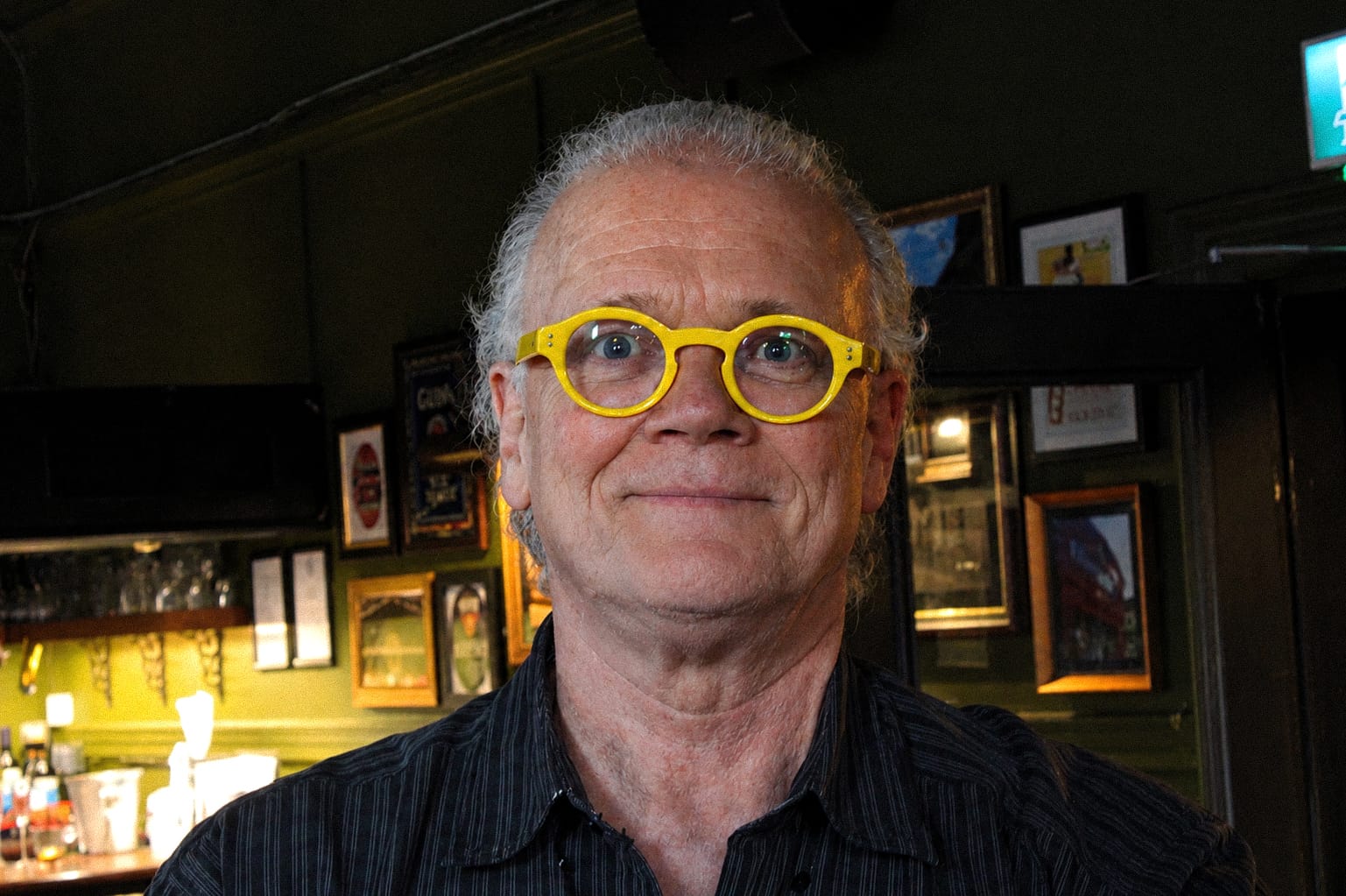
In person, Copland has quite the presence: a voice as smooth as a room-temperature Brie de Meaux (dammit!) and a manner as approachable as Emmental (no! stop!). OK, OK. Actually, what’s really striking about Copland is his chunky bright yellow spectacles, the exact colour of a McDonald’s cheese slice. I’m too polite to ask which came first: the cheese glasses or the cheese obsession, or whether this is just the sort of eyewear that cheese people naturally gravitate towards.
Homage2Fromage dates back to 2012, when a conversation on Twitter (“when Twitter was a nice place, where cool people went”) unspooled into a full-on flurry of cheese-night organisation with Nick’s now-business partner Vicky. Someone had remarked that they talked about cheese so much, they should start a club. “I said, ‘right. Who wants to join the cheese club?’” says Nick. “And Vicky was the only one that turned up.”
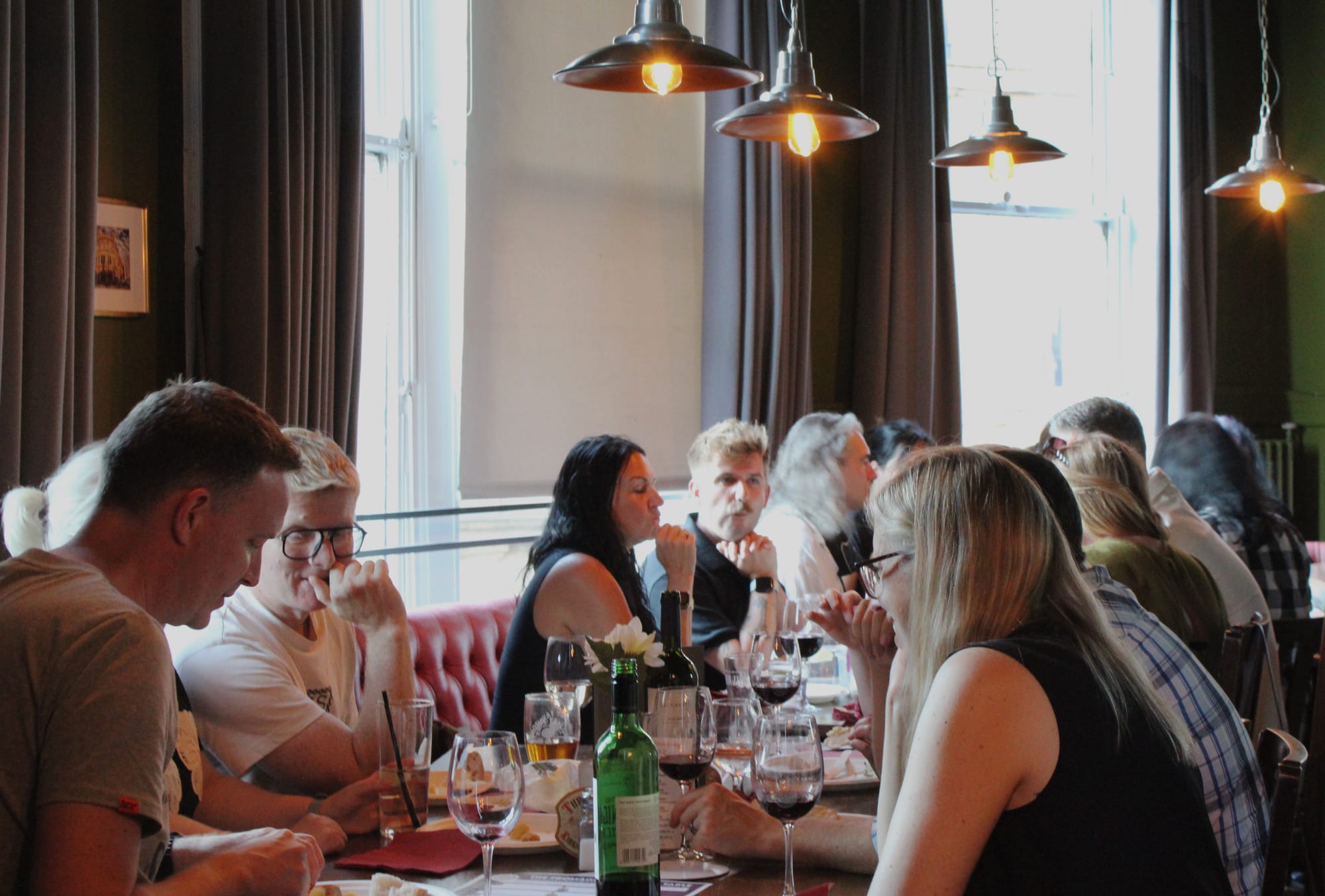
Nonetheless, cheese’s siren song began to work its magic, and their events soon evolved into a full-on side hustle — the kind that has “taken over my life a little bit,” he says. Now, they host events across cities including Leeds, Sheffield and Peterborough, and are now working on a “cheese event in a box”. At events like this one at the Adelphi, he says, between 60 and 70 people generally show up, one Thursday a month, with empty stomachs and high expectations (and on one occasion, that he does not encourage: tupperware). To mix things up, he works with themes, often making the events region-based, with titles like “Yorkshire Cheese!” or “French Connections.”
Tonight, I’ve been instructed by my editor to find out things like: “Who are these cheese people? What are their hopes/dreams?” Copland does have an answer to this: It’s a much broader crowd than you’d expect, he says. “I think people assume it's going to be middle-aged, middle-class, or retired people who just go out for a little piece of cheese and a nice glass of wine. It's not,” he says. “We get all sorts, a real cross section.”
He gives me the instructions for how the evening’s going to go. A large table at the end of the room groans with eight cheeses, each from a great cheesemaking nation — which, coincidentally, are often great footballing nations too. (There is to be no Argentinian cheese, Nick says, but this is less payback for the Hand of God and more to do with shipping costs). For now, they are anonymous, identifiable only by a number: a big part of the fun for his more knowledgeable regulars is guessing the cheese region. There’s also specially printed paper plates with numbers, so that you can keep track of each cheese, and God help you if they get dislodged.
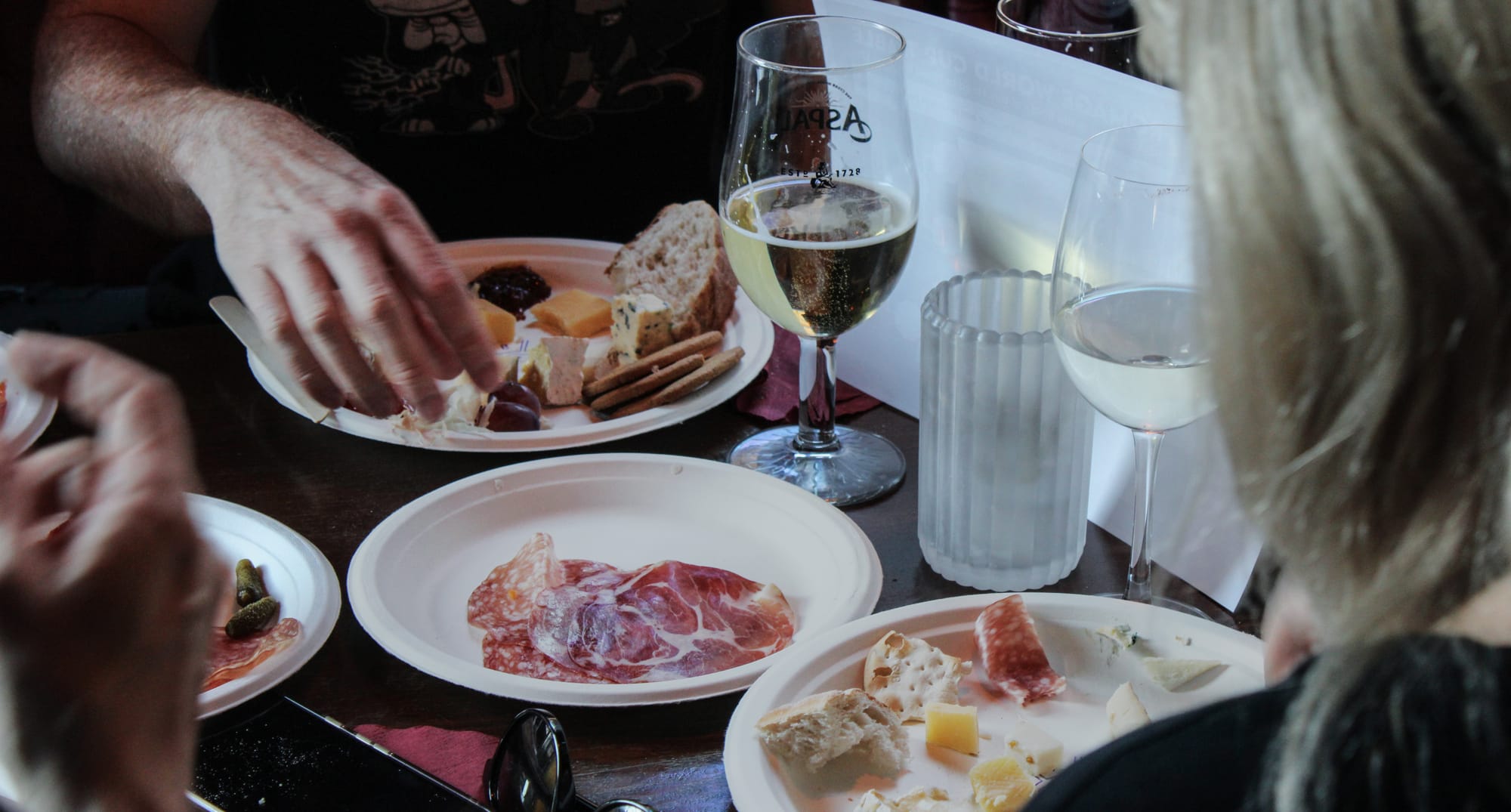
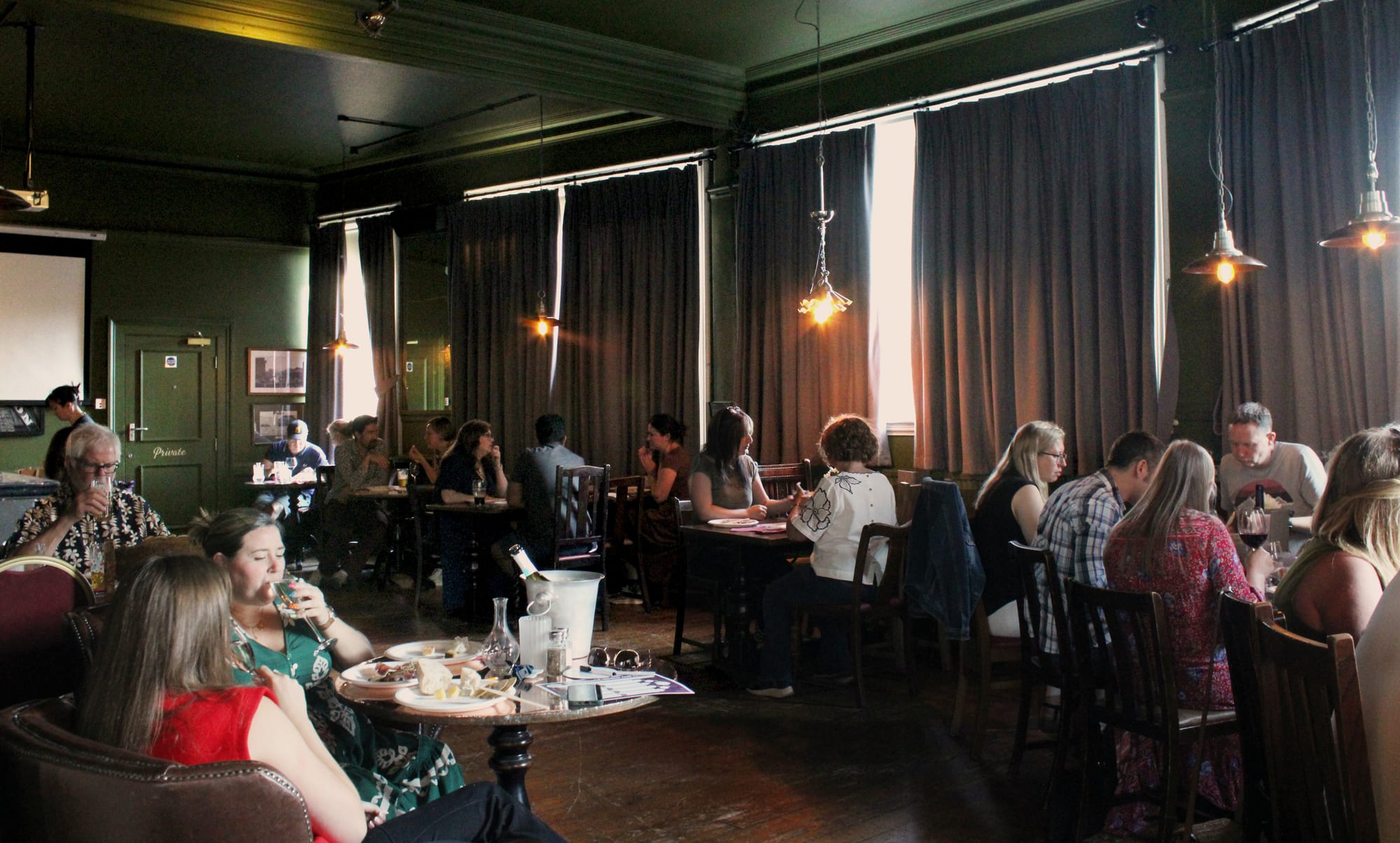
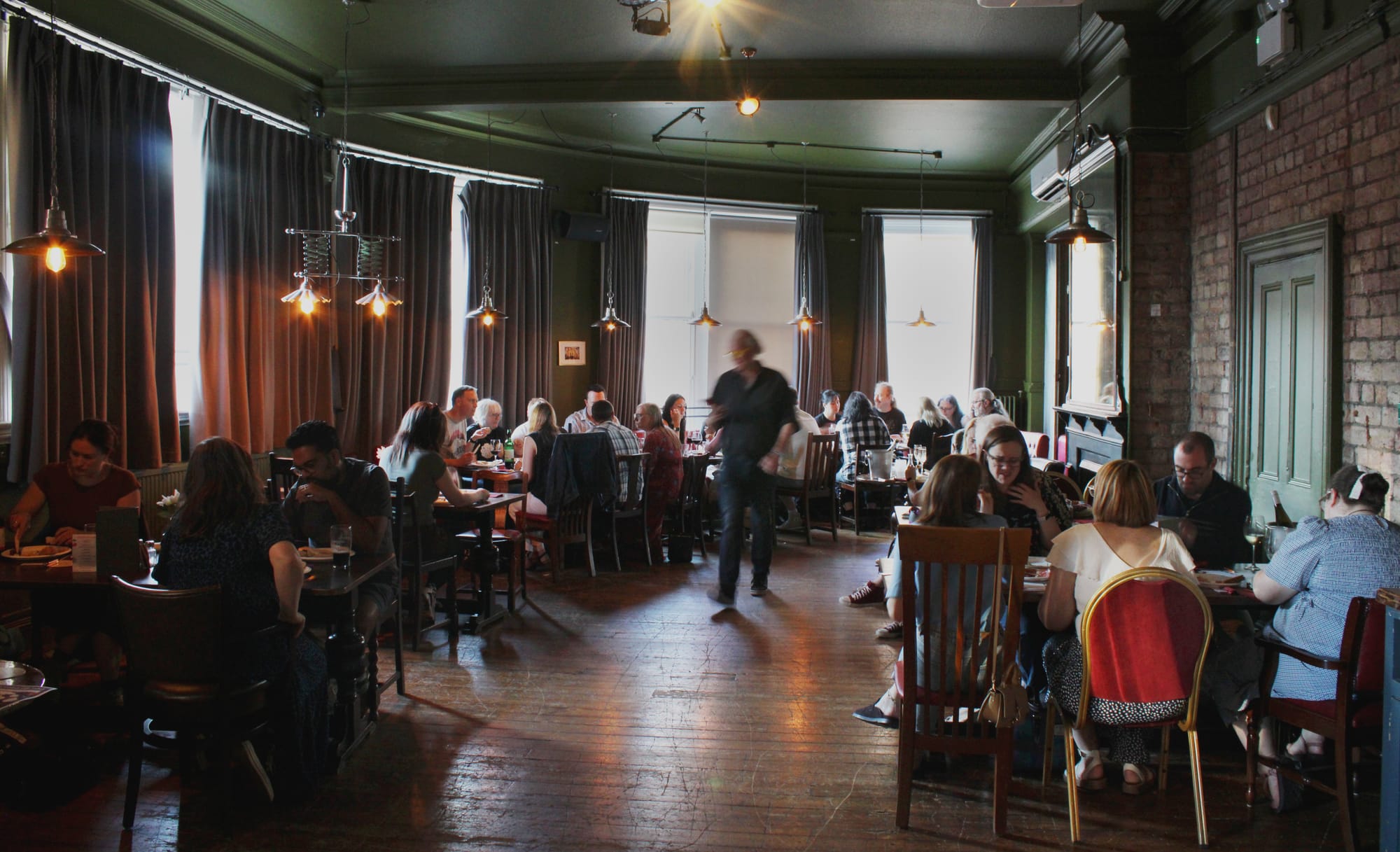
As people begin to trickle into the Adelphi’s high-ceilinged upper room, I do see a lot of the conventionally middle-aged folk Copland mentioned, but also a group of people who lean, stylistically, goth (“They’ll chat to you,” he assures me), and a poised young student who I can see is already assiduously sizing up the provided cheese score chart. As someone who brings a spreadsheet to every Eurovision, I instantly approve. After lining up to grab crackers, bread and our mystery cheese portions, people start to tuck in. I shyly approach the goth-esque group, hoping to find out who they are and what their cheese-based hopes and dreams are. “What brings you here tonight?” I ask one of them, brightly.
“Cheese,” he says.
After a little more awkward chatter I go away, with the word “cheese” underlined in my notebook. This is great. Real coal-face social observation, this, I think. I realise I’ve made a catastrophic error: I’ve come alone, expecting the Cheese People of Leeds to give up their secrets to me, a total stranger interrupting their nice night out. If there are deeper mysteries of the city to be gleaned from cheese night, I doubt they’re going to be revealed to me like this. When really, like butter spread over the Carr’s water biscuit of life, it’s really not that deep. At its root, Homage2Fromage offers an excuse to be with friends, eat a bit of something incredibly delicious, and maybe wave a numbered paddle.
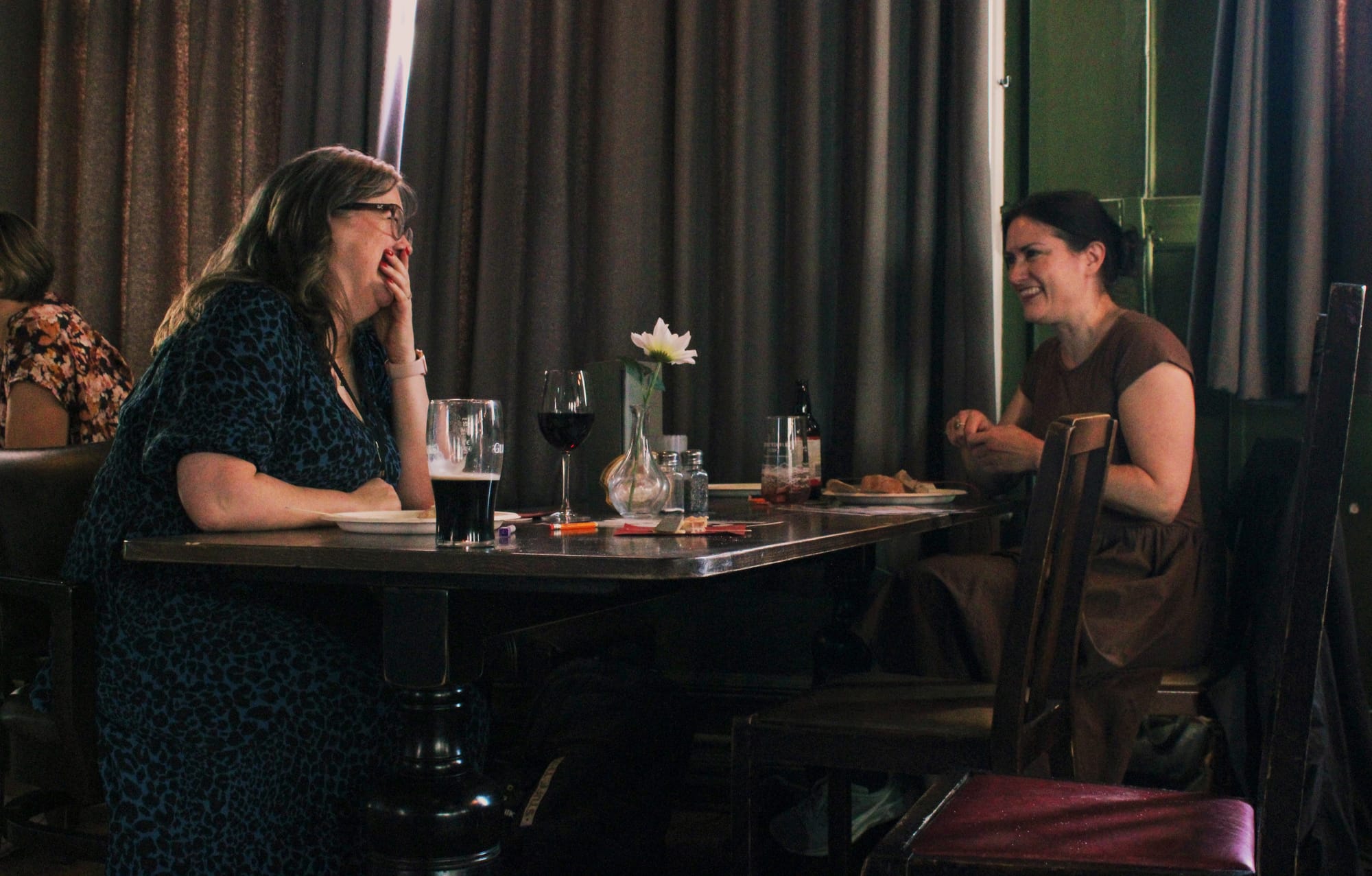
But as we’ve established earlier: I have no friends here, other than my colleague Brad, who is contractually obliged to be nice to me but hates cheese. I have, however, brought a photographer, a cherubic graduate named Abhijeet. Abhijeet, a well-brought-up young man, has sensed my panic and politely feigns interest in picking at, and remarking on, small pieces of cheese with a middle-aged stranger. To his likely intense relief, a jolly lady sitting near us strikes up a conversation — she’s looking forward to finding out if her cheese guesses are correct.
At the next table, Carol — the mother of Sasha, the laser-focused student I spotted earlier — tells me it’s become a regular way for the pair of them to catch up. “It’s become a bit of a thing,” Carol says. They also set up their own cheese nights at home, but it clearly doesn’t replace their monthly trip to the Adelphi to mingle.
Soon, Copland returns to the scene with enormous panache, ready to guide us through the voting process. We have, at this stage, eaten some frankly delicious cheeses — some heavenly and melting, others gentle and nutty — but I’ve hardly paid attention: my notes consist of words like “YUM” and “cheddar????” The lady sharing our table is doing much better: she’s managed to successfully guess at least half of them. It’s time to put the cheeses to their head-to-heads, though the group stages become chaotic when Nick forgets what number he’s on. But — after much waving of numbered paddles — we finally learn who, by popular vote, has made it through to the World Cup Final of Cheeses: it’s a classic England (Baron Bigod) vs a German blue (Montagnolo Affine) match-up. There’s a massive cheer when England storms home with the title.
Just before leaving — socially depleted despite my weak efforts — I’m about to release Abhijeet from his purgatory when I decide to approach one more table. I get chatting to Paul and Rebecca, a couple on a date. It turns out that Paul has spotted the event in none other than The Exchange newsletter and brought Rebecca here as a surprise. It quickly transpires that, in Rebecca’s world, one of the most romantic things a paramour could possibly do is to take her to a cheese world cup. “We eat a lot of cheese,” she tells me, elaborating how they live near to George & Joseph’s cheese shop in Chapel Allerton (which has been spoken about in hallowed terms all night), and how Paul buys her cheese advent calendars at Christmas. She proceeds to inform me of almost everything cheese-related that I could possibly dream of in Leeds, including a goddess-like cheesemonger in Farsley and a pecorino-based scandal in Otley, which I vow to follow up on immediately.
Is it too much to say I’ve become acquainted with one of the city’s tribes? Yes —but tonight I have found the Cheese People of Leeds, and it’s clear they are absolutely lovely. Next time, though, I’m bringing a friend. And if the Fromage World Cup didn’t quite bring the ecstasy of a real England footballing tournament, I can at least happily endorse the lack of agony. Cheese, or agony? Cheese, please.