

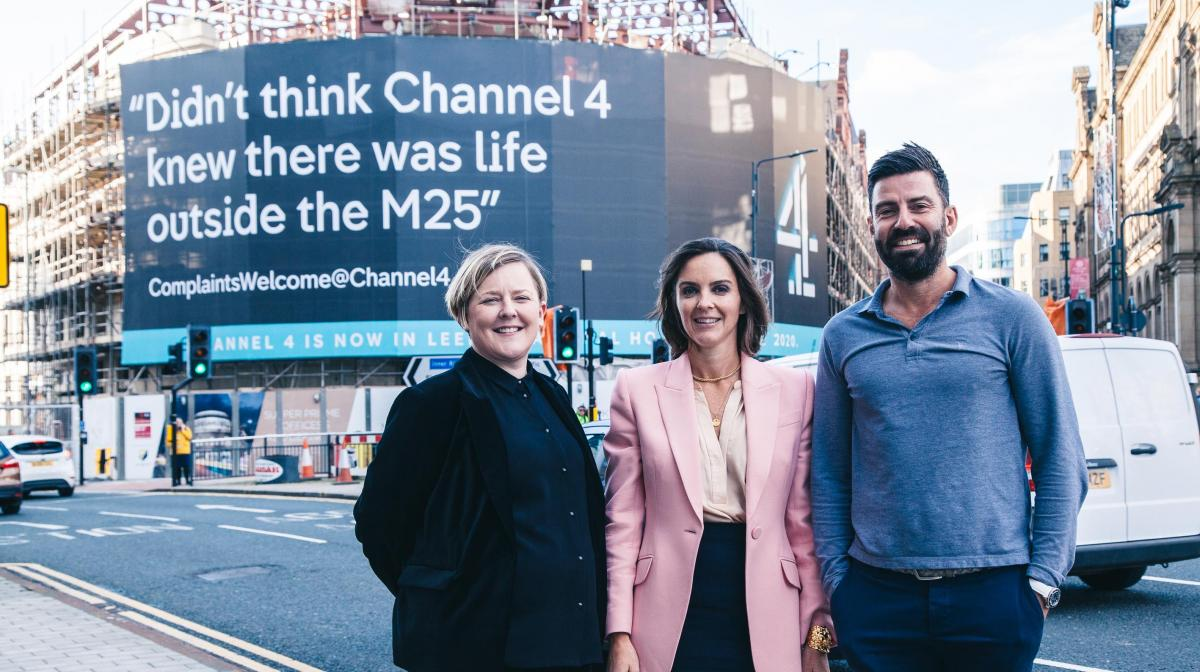
“The launch of our National HQ in Leeds is the start a new era for Channel 4,” said Alex Mahon, the company’s then Chief Executive, in 2019. “An era in which we will be rooted in and more connected to the lives of the communities that make up the UK.”
Judith Blake, Leeds’ leader at the time, was thrilled. “The announcement that Channel 4 will be joining us in Leeds has acted as a huge catalyst for growth in our film, TV and creative sectors… as well as creating an unprecedented buzz about what the future holds for everyone involved in those industries.” Kay Mellor, local screenwriter added: “It’s a game changer for Leeds, putting us firmly on the media map.”
The year before, Leeds had pulled off a major coup. Channel 4 had been told it needed to relocate its headquarters outside the M25, which led to a frenzy of pitches from cities hoping to welcome the broadcaster. Leeds beat off rival bids from Greater Manchester, where the BBC already had a major presence, and Birmingham, where many had predicted C4 was headed. It was a surprise result, and strongly welcomed across the city. This wasn't just going to be an offshoot office, but the very core of the company.
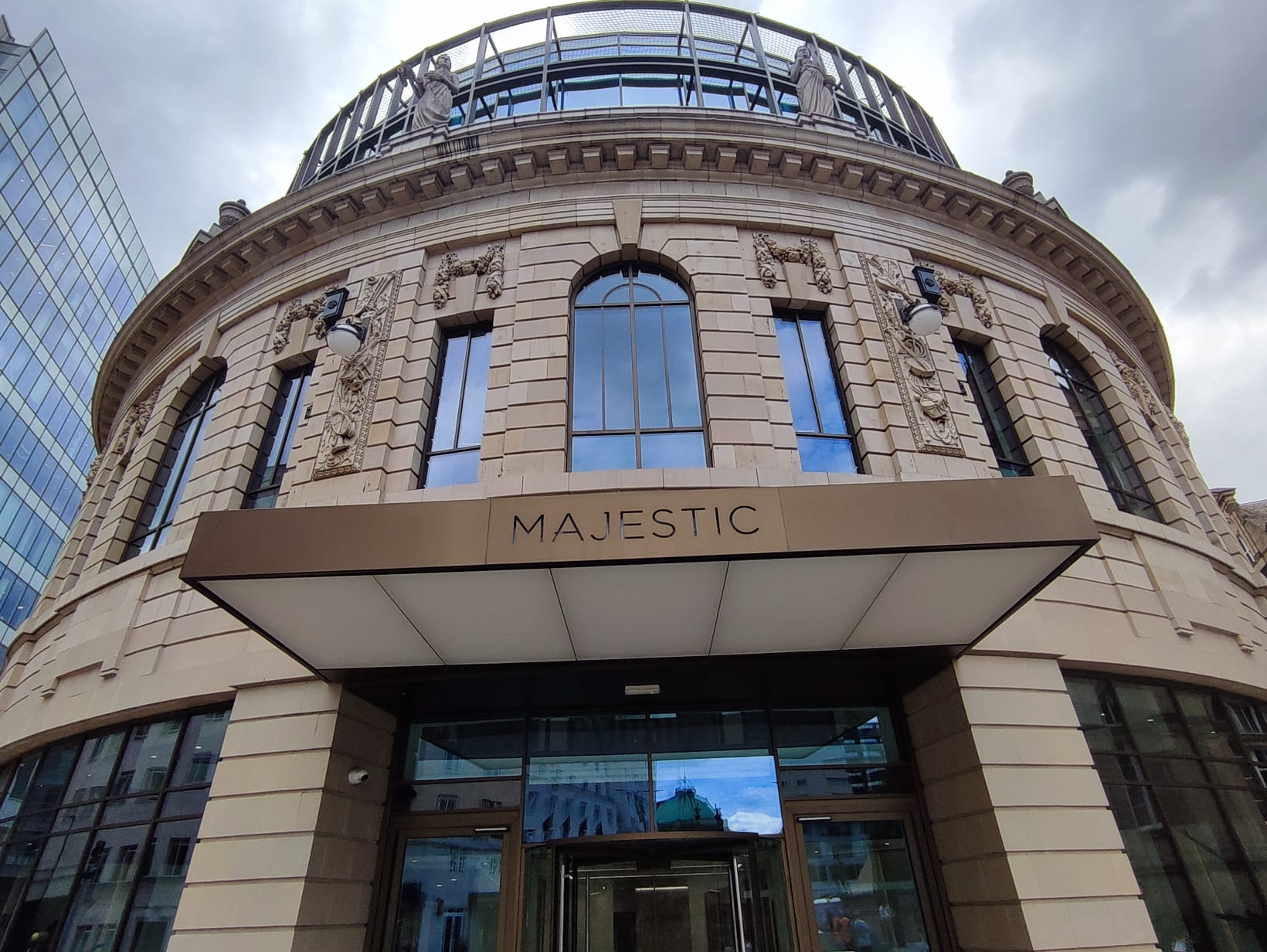
The company wasted little time in getting started. Just a year later, the first jobs moved to Leeds, with staff working out of a temporary base, while work began on revamping the Majestic building (home to the former Majestyk nightclub). Two years later, its new statement HQ was ready to open, right outside Leeds station.
It’s eight years on since Leeds won the bid, and five since staff moved in at the Majestic. But over the last few weeks we've spoken to people who have questioned whether the development has lived up to its promise. The verdict of one: “It was a kind of Faustian pact, really.”
This person is a very senior Channel 4 insider, talking about the company’s decision to relocate its headquarters to Leeds. “Nadine Dorries as culture secretary wanted to privatise Channel 4,” they recall, “and they [Channel 4’s leadership] made the argument that they could be part of Boris Johnson's Levelling Up programme.”
Dorries wasn’t the first culture secretary to talk up the idea of selling the company off (C4 is a publicly owned company, but it operates commercially, funded by adverts rather than the license fee). But she was by far the most openly antagonistic towards the broadcaster, and for the first time it looked like it might actually happen. At that point the Leeds move became a lifesaver for those who wanted the channel to stay in public hands . “I don’t believe that the move to Leeds – which Channel 4 initially resisted – could, or would, have happened under a private ownership model,” argued Karen Bradley, a former culture secretary, in an article for Conservative Home at the time.
So why now the talk of “Faustian pacts”? And after all the fanfare, has the move delivered what was promised?
New here? This is The Exchange, a new local newspaper all about Leeds and West Yorkshire. We produce three stories a week of deeply reported local news. Sign up for free to join our e-mail list.
‘A kind of pointlessness to it’
A central thing to understand about Channel 4 is that virtually all of its output isn’t produced in-house, but commissioned. This is why it is treated as so important for independent production companies, many of which get their first big break there. (This was, in fact, one of the main arguments made against Channel 4’s privatisation.)
Channel 4 News, the edgier, more irreverent alternative to BBC News (more left-wing, is how some Conservative politicians would put it), is made by the production company ITN, a partnership going back decades. “If you asked any of the staff there in Leeds, they would say that it was going to be a proper sort of news hub, where we'd go out and do stories from there”, an insider tells me. But, according to their account, this isn’t what has happened.
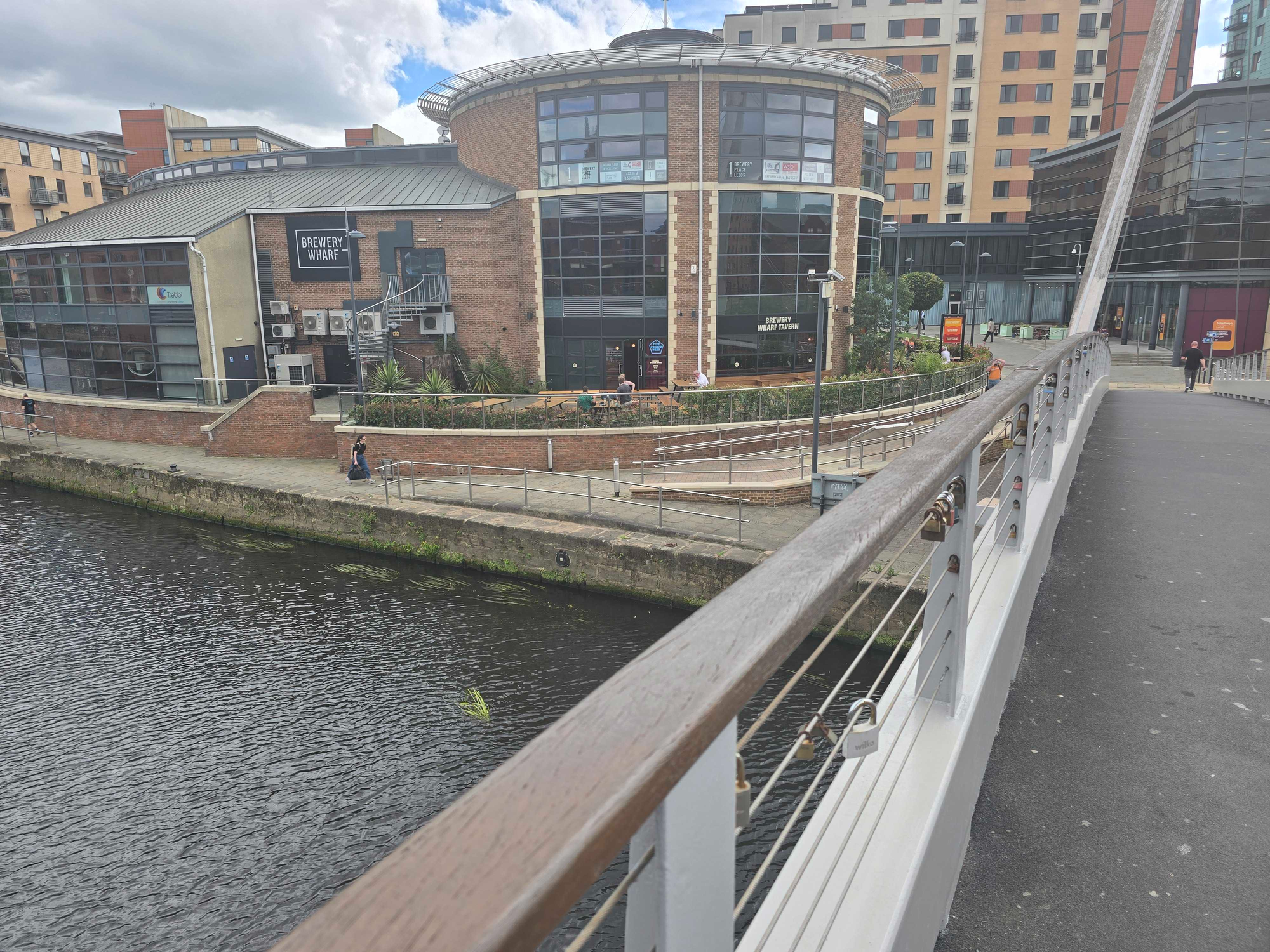
In 2023 an ITN studio was launched in Leeds for filming Channel 4 News, in Brewery Wharf by the docks. The idea was that a full-time Leeds-based presenter would head up the studio, running the programme from there several times a week. But we’re told by several sources that recruiting such a flagship presenter was a challenge — bosses couldn’t find the top-level talent they were looking for up North.
Instead, London-based presenters would go up at different points in the week to present the show from the Leeds studio. When there, they would often be interviewing over video calls. “We have this kind of farce, really, of different presenters going up to Leeds on the train, which was never what was intended”, I’m told, by someone familiar with the news operation. “It just seems to me the worst kind of TV window dressing, really”.
“[It’s] London presenters going up to present the programme, invariably doing interviews down the line that could have been done in London,” they add. “So there is a kind of pointlessness to it.” Channel 4 told us that they accept that many guests now join via video link, but argued that this was true in London as well, with a post-pandemic reluctance for people to travel.
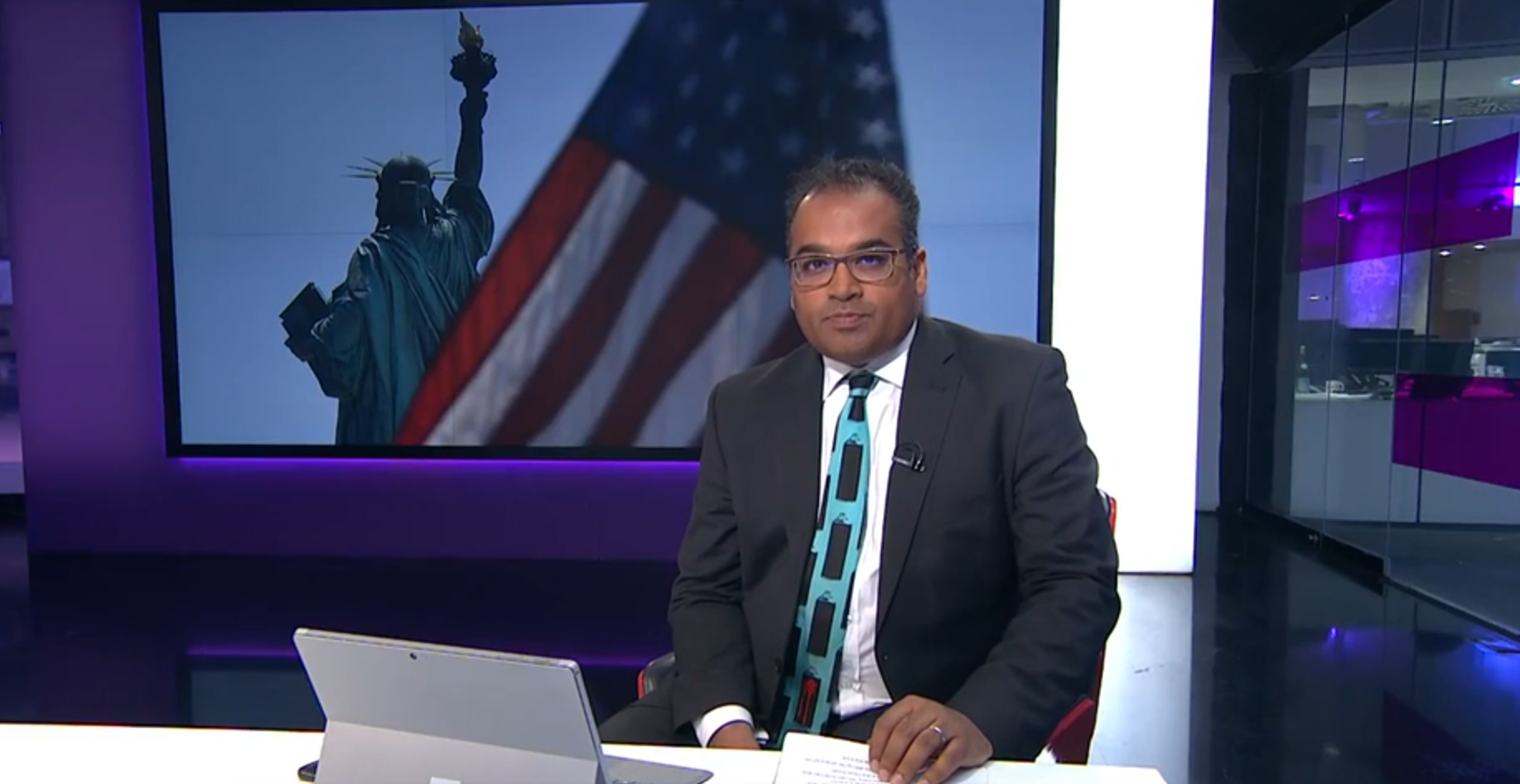
If the idea was to give the Leeds studio equal heft to the London operation, then there was one other problem: Krishnan Guru-Murthy. Guru-Murthy is the Channel 4 News’ lead presenter, and the most recognisable face of the programme. He grew up in Lancashire, and has been with the programme since all the way back in 1998, putting him right at the heart of the programme.
But The Exchange has been told that Guru-Murthy is unwilling to join his colleagues in making the regular trek up north. “Krishnan doesn't go, so the sort of centre of gravity of the programme remains in London,” a well-connected insider tells us. Why not? “He was heard to make a disparaging comment about the fact that he grew up in the north, and he wasn’t going back there, which didn’t go down too well with staff [in Leeds]”. A Channel 4 spokesperson denies that Guru-Murthy refuses to make the trip, saying that it’s not in his remit to present from Leeds.
Back to base
As you would expect, Channel 4 are tetchy about the suggestion that their much-hyped move up north has been some kind of PR trick or window dressing exercise. And to be fair to them, they clearly do employ a large number of staff in this great city (269 at the last count). “This is not a nominal or symbolic presence; it is a substantial operational base that is creating real, lasting opportunities for people to build careers in the media industry outside London”, a spokesperson tells me.
But describing an office as your “headquarters” comes with a level of expectation. One member of the city’s creative sector tells me via text: “[the Leeds move] was announced to great fanfare with equivalence to BBC in Salford, but it very much feels to me like a damp squib.” When I ask him to expand, he says: “if C4 turn around and say ‘half of our staff are based in and around Leeds, and every board meeting is held in the city’, that passes the test of being a National HQ for me. I personally don’t believe either are happening.”
On the first question, I put in a Freedom of Information (FoI) request to Channel 4 about where staff were based, and how that had changed over time. This revealed that the proportion of C4's staff in the city climbed fairly quickly to 20% by the end of 2022. But since then, it's stayed pretty static. The FoI also revealed that two-thirds of the company’s staff are based in London.
In 2024, Channel 4 announced a “bold package of measures”, to boost their regional presence, including “a relocation and financial support package” for those leaving the capital. But the company denies that this amounts to a financial incentive to get people to relocate, merely ensuring that no member of staff is financially worse off after moving. And as someone at the channel points out to me, any incentive there is, is likely to make more of a difference to younger people earlier in their careers, than for senior staff.
Another staffer points out that the most senior roles, like the chief executive and chief content officer “are all still in London”, and while they “did make an effort” to go to Leeds, “it very much feels like the powerhouse stayed in London”. They add that due to financial pressures, the company “put a big squeeze on travel budgets. I don't think that helped.”
On the question of executive meetings, a couple of insiders indicated that they weren’t aware of these taking place in Leeds. The company says this is “categorically untrue”, and that “several board meetings have been held in Leeds.” They also told me that “around 20 senior leaders and staff [are] based in our offices outside of London”, including the head of digital commissioning, senior commissioners and other senior staff.
Great expectations
Shortly after the announcement was made about Leeds, Channel 4’s head of nations and regions Sinead Rocks made a speech to the Leeds Chamber. In it she said “The prize for Channel 4 in this part of the world is even bigger [than the BBC’s move to Salford]. Because unlike the BBC, we’re not lifting and shifting self contained departments. Instead we’re building a cross section of our entire business here in Leeds.”
But according to one staff member I speak to, “lifting and shifting” might have worked better. “What they didn't do, which they should have done, is move entire departments or key decision makers up to Leeds”, they argue. They claim that the channel’s other, smaller, offshoots in Bristol and Glasgow have actually worked better, because the teams there have a more specific remit — the Glasgow team, for example, covers lifestyle content (think daytime television), and is therefore a “hub” for a certain type of programming. Instead, teams are split across London and Leeds, and with London having three times the staff, and most of the senior staff, it’s no surprise that that’s where most of the action is.
It’s important to note that Channel 4 is, in key ways, less London-centric than other major networks. 49% of its programming is commissioned outside of London, which is significantly above what Ofcom requires (35%). And they are clearly making an economic contribution to the city via local pay packets (as one business leader who recently interviewed someone from Channel 4 for a role told The Exchange: “I nearly fell off my chair when he told me his current salary”.) But my impression from conversations is that the Leeds office is a long way off what you would think of when you imagine the headquarters of a major media company.
Perhaps Channel 4’s biggest challenge is the comparison Rocks drew when speaking to business leaders, and the one that’s in the back of everyone’s minds: the BBC and Salford. If you haven’t been to MediaCity, the broadcaster’s home over the Pennines, it’s a huge sprawling complex. The Beeb has been at the heart of a major regeneration of the waterfront area, and now over 3,500 staff are based there, with dozens of creative and cultural businesses clustering nearby to try to get work.
But this was always going to be an impossible standard to live up to. Across the entirety of Channel 4 there are 1,255 employees — a fraction of the BBC’s 21,500 full time roles. And while the company has invested in some local production companies, and created opportunities for others, it’s not directly creating masses of local production jobs since, beyond the news, it doesn’t produce programmes.
In response to our queries, Channel 4 said it “has undergone a major and rapid transformation from a London-centric organisation to a truly UK-wide business, with around a third of our workforce now based outside London, compared to around one in ten just a few years ago.” It said that its Leeds office is now “a significant commissioning presence” across drama, lifestyle, news and current affairs, digital and sport. “Channel 4 News is a key part of this with a permanent newsroom in Leeds, making it the only national news bulletin with a base outside London, bringing national news production directly into the region.”
That Channel 4 has invested in Leeds can’t be argued with. But whether it has really brought in a “new era” for the broadcaster, and indeed for the city, isn’t as clear. When the broadcaster was under threat of being sold off, it had little choice but to play up how transformative it would be to Leeds’ fortunes. But, as one insider tells me: “We're not big enough to have that kind of second UK base”.
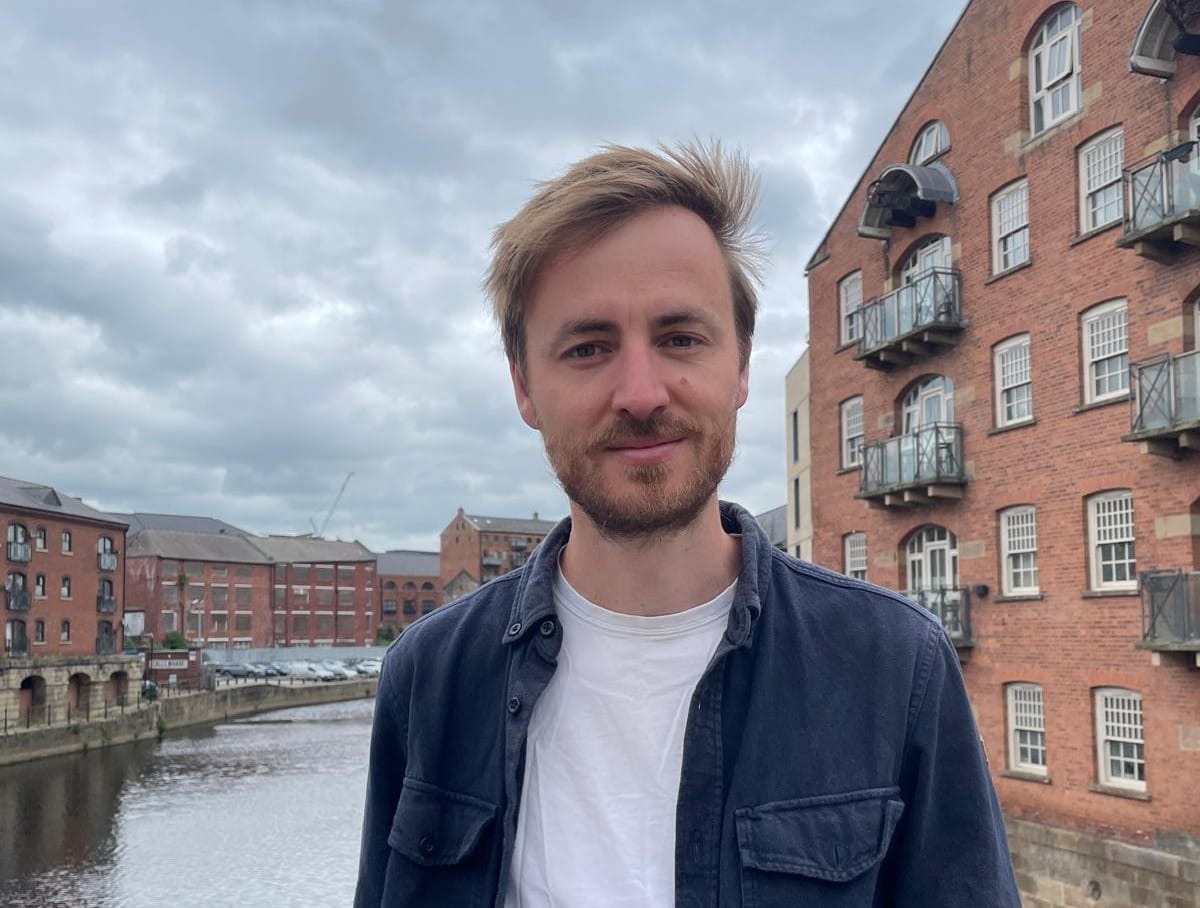
Hi, I'm Daniel, Editor of The Exchange (and author of this piece). Thanks so much for reading. This story shows the kind of work we want to do: going beyond the press releases and following up stories long after they're breaking news.
We've recently launched and we need support from readers like you to build this into something that lasts. Click below to become one of our early members. You'll also get full access to all of our members articles and get rid of those pesky paywalls.