
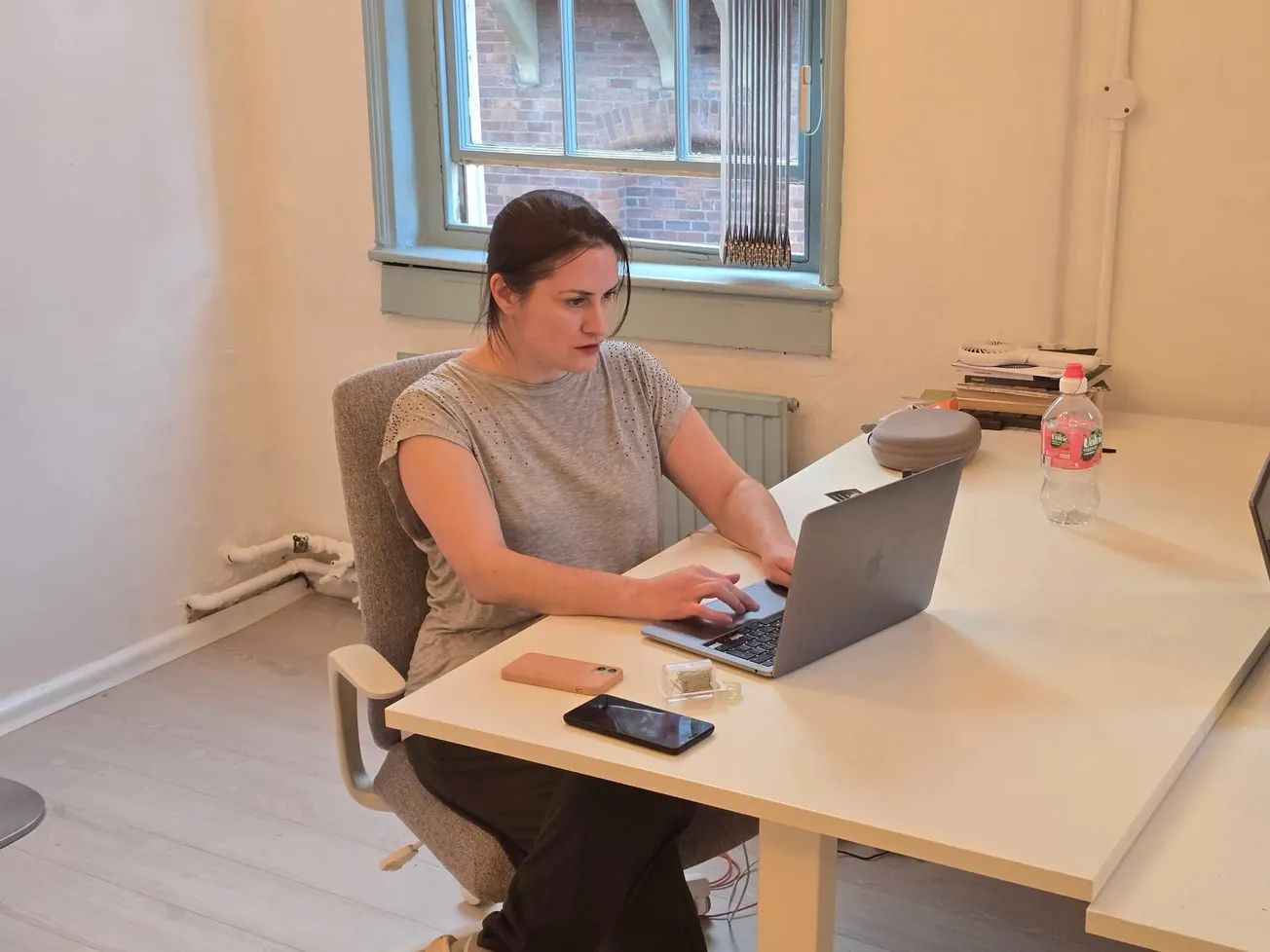
When I put down the phone one afternoon early last November, I couldn’t quite believe what I’d done.
I had just been offered the pick of two positions at an international news organisation that I admire, after a whirlwind interview process. One, a solid reporter position; the other, a more senior editorial role with a hefty pay packet. Either way, I’d be working at a gleaming, multimillion-dollar news campus with its own live news ticker and glass-walled broadcast studio, in the kind of newsroom reporters fight to join.
I’d got the call six months after being made redundant, along with 20% of the newsroom at my previous employer. I’d survived several waves of layoffs over three years, but the chop had come for me at last. The fact that they told me on my birthday just added that extra je ne sais quoi.
The news industry was cratering, and I knew that any job I applied to would have hundreds of applicants. And yet when, in November, I was handed a lifeline — two lifelines — I found myself saying: “thank you so much, but … no”, to a clearly baffled recruiter. Why?
Here’s the thing about redundancy, which you’ll know if you’ve ever been there: you suddenly have a lot of time to think. Whilst trying to work out what to do next, I had begun musing on something I’d lost sight of in the midst of it all: why, in fact, did I want to be a journalist? Why bother with the perpetual job insecurity and the stress? Why not just get a cushy job in comms?
As I tried to remember how I ended up here, it took me back to my very first news job, at a local paper. The spark of connection that I got from doing that was amazing. When I got the chance to do real stories — like when I volunteered at a local night shelter, or when I grilled the council on the dilapidated state of a local tower block — I could see the impact of what local news can do. One time, when an official tried to block me from entering a contentious public meeting, I heard one local say loudly and firmly: “Give her my seat then” — and then another, and another, until they gave up and let me in. It reminded me that when the local press shows up, people value it.
Now, it wasn’t all wonderful. The industry at large was grasping for an ever-shrinking ad revenue stream that pushed quantity over quality. I was expected to churn out five or more low-quality articles a day. I began talking with colleagues about how poorly this served readers and their communities.
I always got the same response, intoned like an unbreakable mantra: Nobody will pay for quality local news. I remember thinking: has anyone actually asked?
As it turns out, someone had been asking. During the oodles of free time I had as a jobseeker, I came across Mill Media and the kind of work they were doing in cities like Manchester, Glasgow and Sheffield. It was some of the best journalism I had ever read, and it was making waves — providing real accountability and attentiveness to local issues in places that had been starved of these things by an etiolated local press. And a precious portion of those cities’ readers were willing to pay for it.
It lit a desire to do that kind of work in me – and ruined the appeal of new corporate job offers.
Why am I telling you this? Not as career advice, that’s for sure. After that phone call followed four months of waking up in the middle of the night in a cold sweat, still jobless, cursing what was beginning to look suspiciously like career suicide.
It was then that I heard the news: 500 people in West Yorkshire had decided to back a new local newspaper. The Exchange was to be born.
You know that cartoon trope where the character runs through walls, leaving a cartoon-character-shaped hole? That was me, asking The Exchange to give me a shot. A couple of interviews later, and I got the nod.
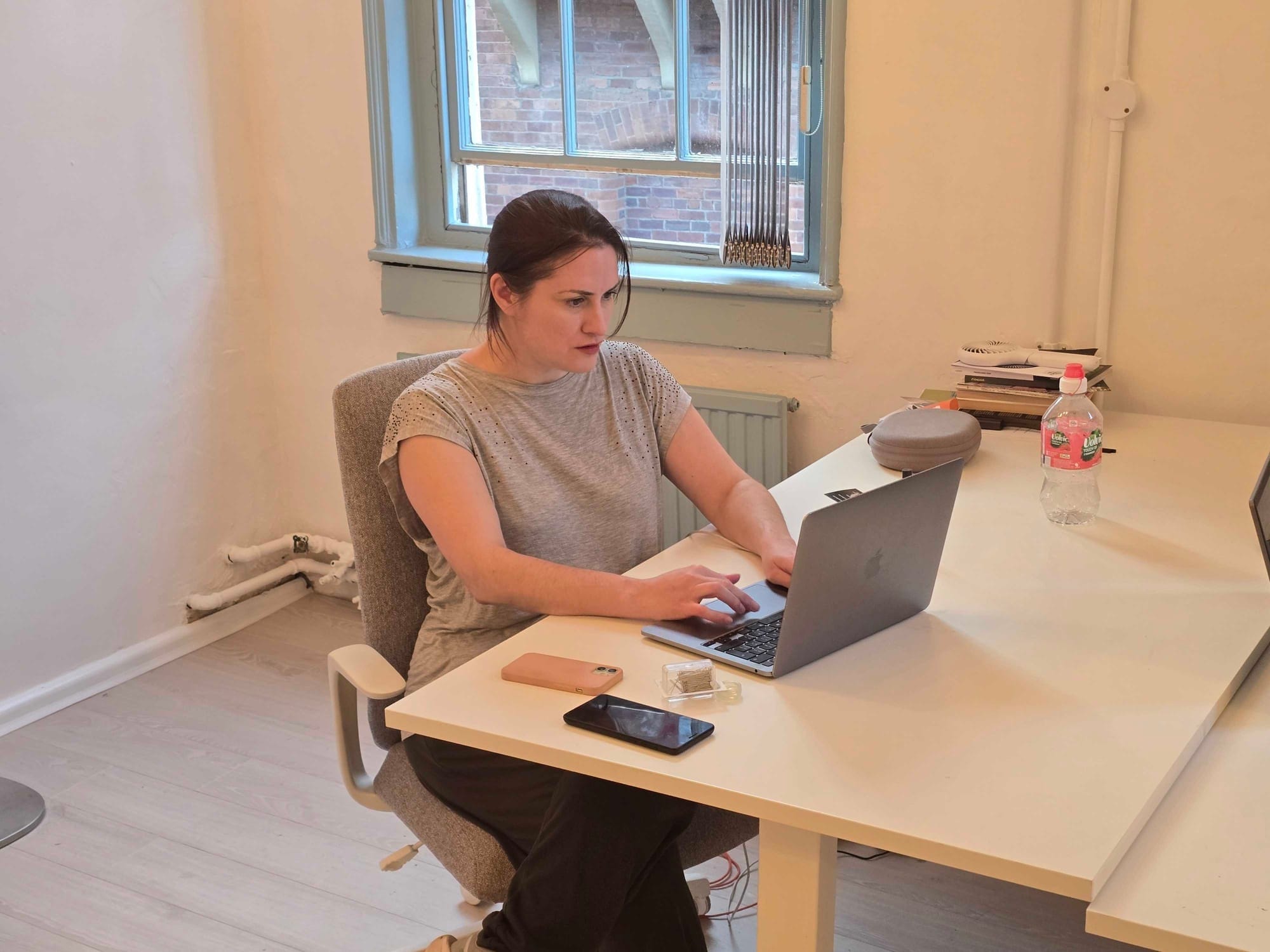
Sometimes, I gaze at the folded-up piece of cardboard that props up one corner of The Exchange’s tea cabinet, in our single-roomed, comically bare office, and think wistfully about the onsite gym, subsidised restaurants and in-house screening room at the place I turned down.
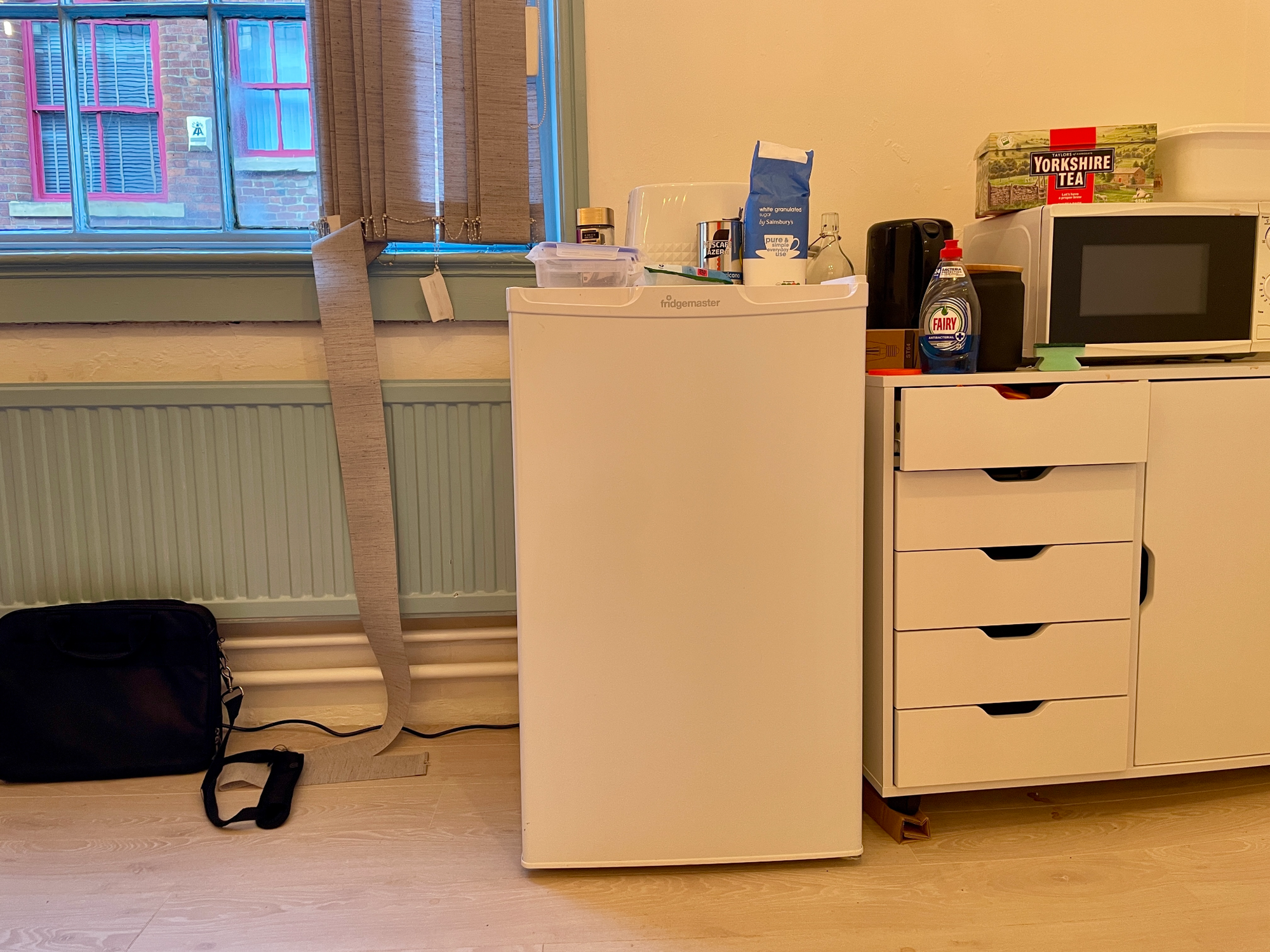
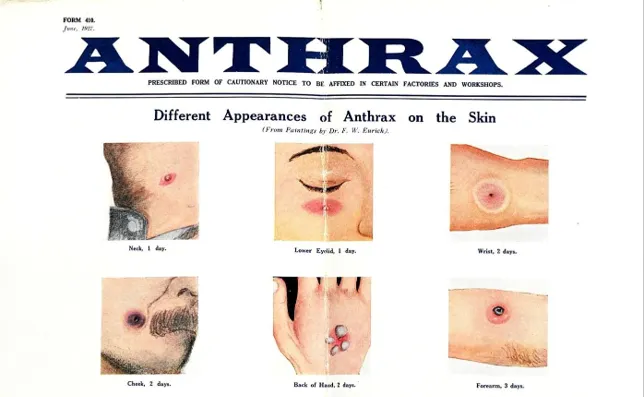
But not for long — because I’ve loved the work. I’ve met market traders and neon benders. I’ve held political parties to account and tried to work out what’s actually going on with Samuel Smith’s pubs. I’ve investigated unpaid taxes at a popular restaurant and explored the meltdown in Leeds’ student housing market. And I’ve done it all alongside Brad and Daniel in our tiny team, driven by one mission: to bring back quality local journalism.
I’m here, and not enjoying a monthly employee massage, because I believe in that mission. Now I’m asking: do you? We’re not slick, we don’t have a wellness budget, and looking at those blinds, I’m worried they might be about to fall down. But I can promise you, every day we get together and do all we can to give you proper journalism – sometimes in the face of legal threats. We believe this region needs, and deserves, much more of this.
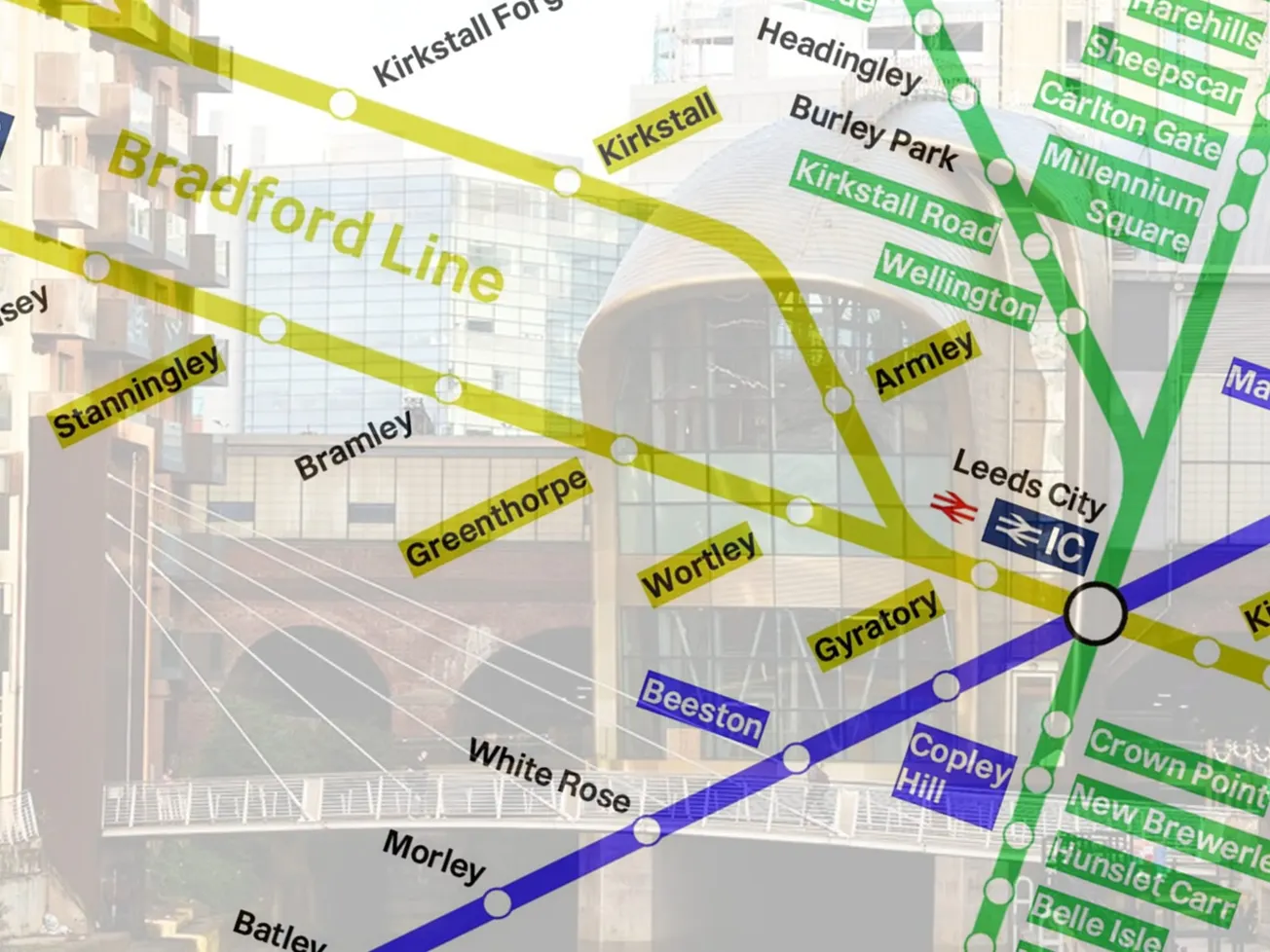
Supporting The Exchange costs £8.95 a month — or just £7.42 when you sign up for a year: roughly the price of two coffees. That gives you access to our paywalled articles (often our juiciest and most detailed stories — like our metro redesign yesterday). It also tells me, Brad, and Daniel that we’d better keep working our socks off to ensure that the region gets the news it deserves — the kind that can actually change things.
So that's my ask to you today: get on board. Don't do it for us. Do it for you — to get all our stories — and do it for the place you live.
An entire industry has believed the lie that nobody will pay for quality local news. Here's your chance to prove them wrong.