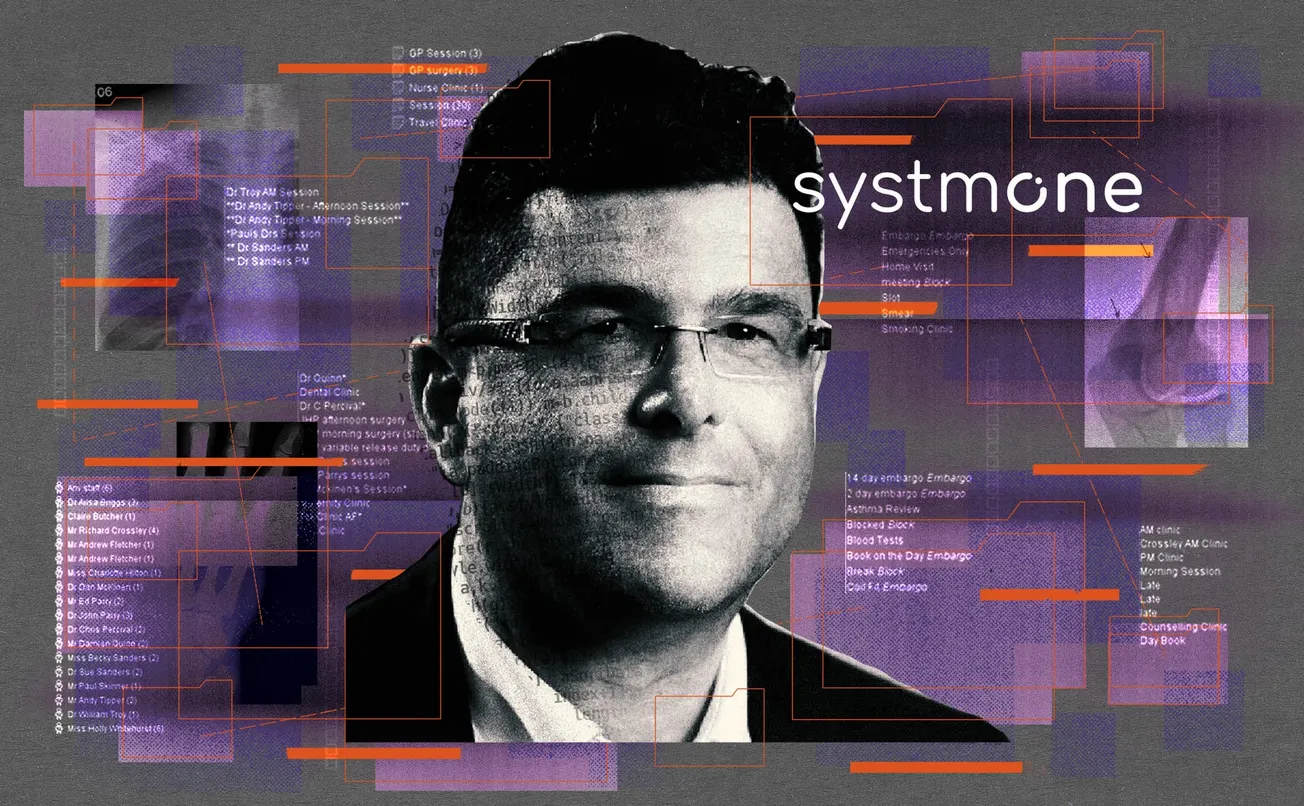

This is the second instalment into our investigation into Leeds’ biggest tech company, TPP, and its flagship product: SystmOne. SystmOne is software for managing medical records, and is used by thousands of GP practices and right across the UK’s prison estate.
In our first article, we revealed how coroners had raised concerns about SystmOne in the case of several deaths in prison. A prison GP, Lindsay Crockett, described SystmOne as “an absolute nightmare and we are banging our heads against a brick wall. We’re trying hard to get some changes done because we are concerned about safety.” But, as today’s story reveals, the concerns being raised around SystmOne aren’t just limited to prisons.
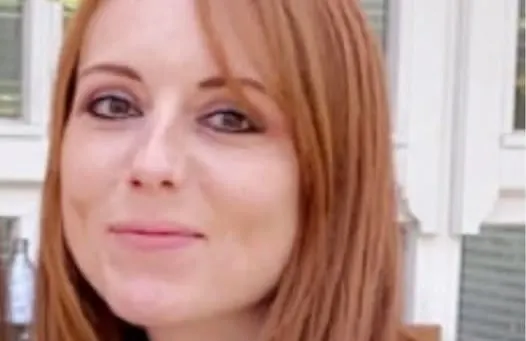
In October 2021, Jade Revell attended her GP practice in Derbyshire. She had been managing an eating disorder and had come into the surgery for routine blood tests before a change of medication.
Two months later, she experienced a “sudden cardiac event”. Several attempts to resuscitate her at home and then at Chesterfield Royal Hospital were unsuccessful, and she died.
It was Christmas Day. Revell was 30.
Her death was completely unexpected, and very unusual in one so young. Yet the most obvious cause was right there in the blood test results from October. Her potassium levels were dangerously low: hypokalaemia. Revell was never informed of this, nor was any remedial action taken — something that would have been relatively straightforward.
In the understated language of the coroner’s report, this failure “more than minimally” contributed to this cardiac event which caused Revell’s death. Her GP, an experienced practitioner, was at a loss to explain how this didn’t get spotted, raised urgently and treated.
But after hearing the evidence given at the inquest, Sarah Huntbach, the coroner, believed that one organisation had questions to answer, and sent her “Report to Prevent Future Deaths” straight to them.
TPP.
Revell’s GP practice, like thousands of others across the UK, was using TPP’s flagship product: SystmOne. The problem, as described by practice lead Dr Peter Scriven, was that depending on the computer monitor set up, key test results might not appear on a GP’s desktop, without warning. He described this as “catastrophic”, and told the inquest that staff at Revell’s GP surgery were “horrified” when informed about the potential for key results to go missing.
When Dr Scriven raised the issue with TPP shortly after Revell’s death, he told the inquest that the company “weren’t that interested”.
When we put this to TPP, they told us: “the Coroner who wrote the Regulation 28 Report was misinformed. There was no defect in the SystmOne software. Abnormal test results are always highlighted in red text. In Ms Revell's case, the potassium result was clearly visible in the software, but was unfortunately missed by the person processing the incoming pathology result, and later by a second GP.”
Putting aside the inherent unlikeliness of not one, but two professionals failing to spot a life-threatening red result, this is actually not what TPP said at the time, when they did acknowledge an issue. It was related to a scroll bar not resetting when users toggled between different results, they said, so that if they scrolled down to the bottom on one result, then changed to another, you would be at the bottom of that result. They admitted that: “a very busy GP might then miss an item at the top.”
“The change to ensure that the scroll bar reset to the top of the page was made and released to all our users 4 weeks later,” they told the coroner back then.
Except it’s unclear whether that is true either. We’ve seen the software update logs from this period, and there’s no indication of any change to how results were displayed. We went back to TPP and asked them to clarify this, and to explain why they told us there was no problem with the software, when they had actually acknowledged one at the time.
Dr Matt Curtis, the company’s clinical advisor, simply told us: “I have nothing further to add beyond my response provided.”

Tarek Chowdhury had moved from Bangladesh to the UK in 2004. However, his attempt to claim indefinite leave to remain was turned down, and in 2016 he was being held at Colnbrook Immigration Removal Centre (IRC) awaiting removal. The building is right next to Heathrow Airport — Chowdhury would have been able to hear aeroplanes flying over even as he waited for his own trip back to Bangladesh.
He never got on the plane. Another detainee, an Iraqi, walked into a room one morning where Chowdhury and others were talking. The Iraqi detainee, who was later found to psychotic, asked for a light, but then became agitated and attacked Chowdhury, beating him to death. Paramedics conducted CPR, but he later died of his injuries in hospital that evening.
Chowdhury’s assailant had previously been held in HMP Wormwood Scrubs and then The Verne IRC. Nurses at the Colnbrook said they were unable to open the files until his records “merged” overnight, so were unaware of the assailant’s mental health history (and he lied about it when asked). Assistant Coroner Richard Furniss warned that SystmOne “is not operating adequately when new detainees arrive at IRCs”, and sent his concerns to the company.
TPP told us: “[Our] response provided to the Coroner corrected this fundamental inaccuracy and confirmed that all required information was available through the system if the necessary procedures had been followed. There was no defect with SystmOne and the Coroner did not identify any system change.”
But there is some evidence for this “overnight merger” that the nurses had spoken of. The Exchange has been sent screenshots from a GP recently attempting to run a report on SystmOne overnight. When they do so, a message comes up: “You cannot run reports at the moment because they are updating.” Elsewhere in SystmOne’s user notes, it says: “The database tables used for the reports are built overnight.”
This was an issue highlighted in our previous reporting around prison suicides. When prisoners arrive at a new site, they receive a health check, including for mental health. But in several of the cases we highlighted, clinicians reported being unable to access the SystmOne data at the point the person arrived, meaning they didn’t have critical information to make that assessment. Once the health check is completed and a decision is made, that decision stands.

Two years ago, Frank Hester, the founder and owner of TPP, tweeted: “Mistakes are to be expected. So raising the alarm when there’s a potential flaw is critical, and taking ownership of issues is vital to solving them.”
However, when we presented TPP with a long list of cases where there were serious questions about SystmOne’s role in someone’s death, they didn’t appear to take any ownership. Instead, for each and every case they told us, underlined to hammer home the point: “There was no issue with SystmOne.”

Daniel here, Editor at The Exchange. Today's story isn't an easy read, but we think it's an important one.
We want to keep producing journalism like this, but we need your help. Over 600 people in and around Leeds have signed up to support what we're doing. Join them today to keep us digging into the stories that really matter.
We'd like to chat to anyone who works, or previously worked, at TPP. You can hit that button to get in touch, or e-mail us at editor@theexchange.news. You can also contact us on Signal - username: theexchange.68
We treat all information in confidence.